
British artist Anish Kapoor, a stadium-rock-level figure in contemporary art, is having a genuine blockbuster year, with exceptionally wide visibility. Critical voices have largely stayed in the background.
Kapoor has opened three major, complementary exhibitions across Europe this year. The Venice Biennale is an event in itself; the Hayward Gallery, part of London’s Southbank Centre as it celebrates its 75th anniversary, and the Serlachius Museum in Mänttä, Finland, are each unique venues in their own right. This triple visibility has been so massive that critical voices have been fewer and further between. A few sharp observations do exist, though: The Spectator described the London show as “pompous and vulgar,” noting that when Kapoor’s work fails, it fails badly, and pointed specifically at the paintings. ARTnews, reviewing an earlier Vantablack piece shown in Venice, dismissed it as little more than a cheap trick that fools the eye without offering any lasting depth.
I have seen Kapoor’s exhibitions twice this summer myself: at the Venice Biennale in early summer, and again at the Hayward Gallery in late July. Mänttä would have offered a third chance to engage with Kapoor’s work, but I think two visits will have to be enough for now.
My impressions are somewhat divided. Kapoor is a big name, with big works and a big reputation. He specialises in spectacle and the power of scale. The finished pieces are striking and immersive, some of them bordering on architecture. Yet there is plenty in Kapoor’s art that raises doubts — even surprising mediocrity. That’s what set me thinking about why Anish Kapoor is so relevant right now. Is it because of the art, or because of something else entirely?
Ralph Rugoff, the American-born curator who ran London’s Hayward Gallery for some twenty years, stepped down from the directorship this spring. Kapoor’s exhibition serves as a kind of crowning final act, in which the artist makes a grand return to the gallery after 28 years. Rugoff and Kapoor are personal friends, and what better stage could there be than the Hayward, combined with Rugoff’s farewell and the prestige of an institution marking its own anniversary? In other words, this wasn’t a curatorial discovery at all, but a decision rooted in personal relationships. One in which Kapoor’s sensorially seductive art was a safe bet.
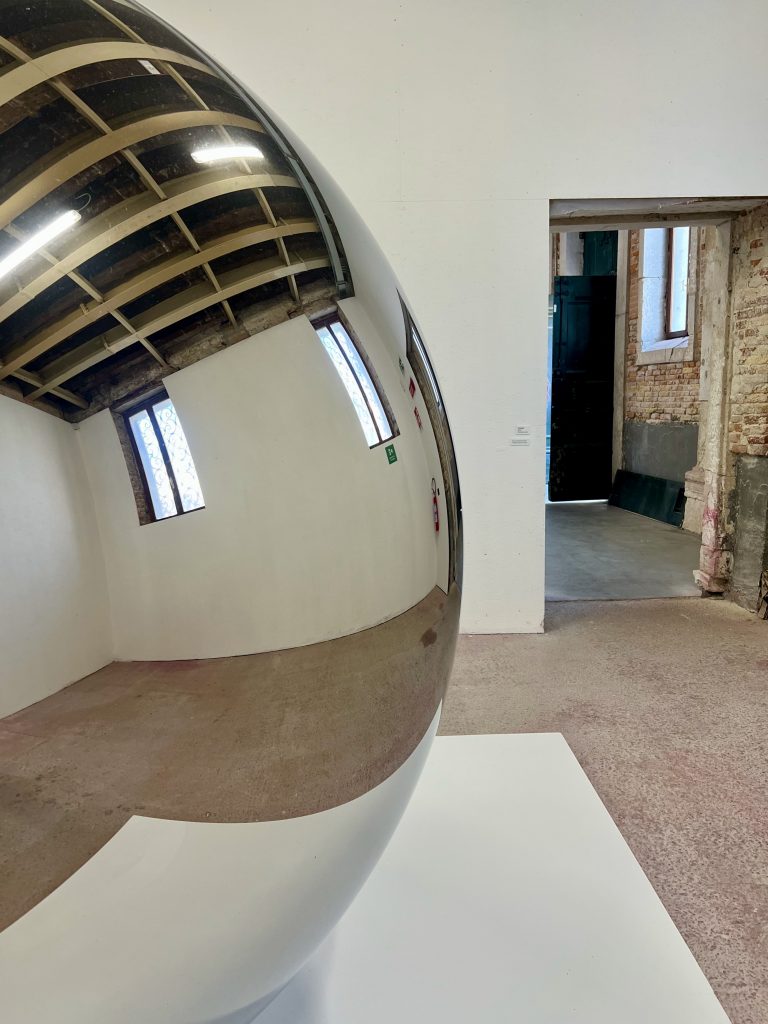
In Venice, the centuries-layered, partly Baroque Palazzo Manfrin is a landmark, a work of art in itself. There, Kapoor’s pieces are in dialogue with walls and architecture hundreds of years old. But why there, specifically?
After its glory days, the palazzo also served as a school. When the building began to seriously deteriorate, Kapoor bought it and restored it in the early 2020s. Palazzo Manfrin has been home to Kapoor’s own foundation since 2022, and the exhibition opened to the public after four years of restoration work. Kapoor’s choice of venue, then, wasn’t an outside institution’s curatorial decision at all. In Venice, Kapoor is both host and artist. The Biennale simply gave the exhibition its ideal timing and audience.
Mänttä is a different case, one that involved more genuine artistic planning. Bringing a global star to Finland is no simple matter, and behind it lie years of work, along with curator Timo Valjakka‘s direct relationship with the artist. There may also be a cultural-political dimension: the Pirkanmaa region, which includes Tampere and Mänttä, had hoped to be named Finland’s European Capital of Culture this year, an EU-backed designation that brings funding and international attention to a chosen city, but the title ultimately went to Oulu. Kapoor himself has described himself as a friend of Finland, drawn in particular to the light of the north. In the end, perhaps personal relationships are the best explanation for Mänttä too.
In any case, seen through this lens, Kapoor comes across as a safe, guaranteed spectacle for institutions celebrating themselves and securing their own finances.
Kapoor’s artistic brilliance and mediocrity
In art, ideas matter, but the ability to realise them, to bring them concretely before people, matters more. That is where Kapoor is a master. Turning grand visions into reality, in Kapoor’s case often into vast, flawless metal sculptures, and placing them in the right settings, is itself a form of art.
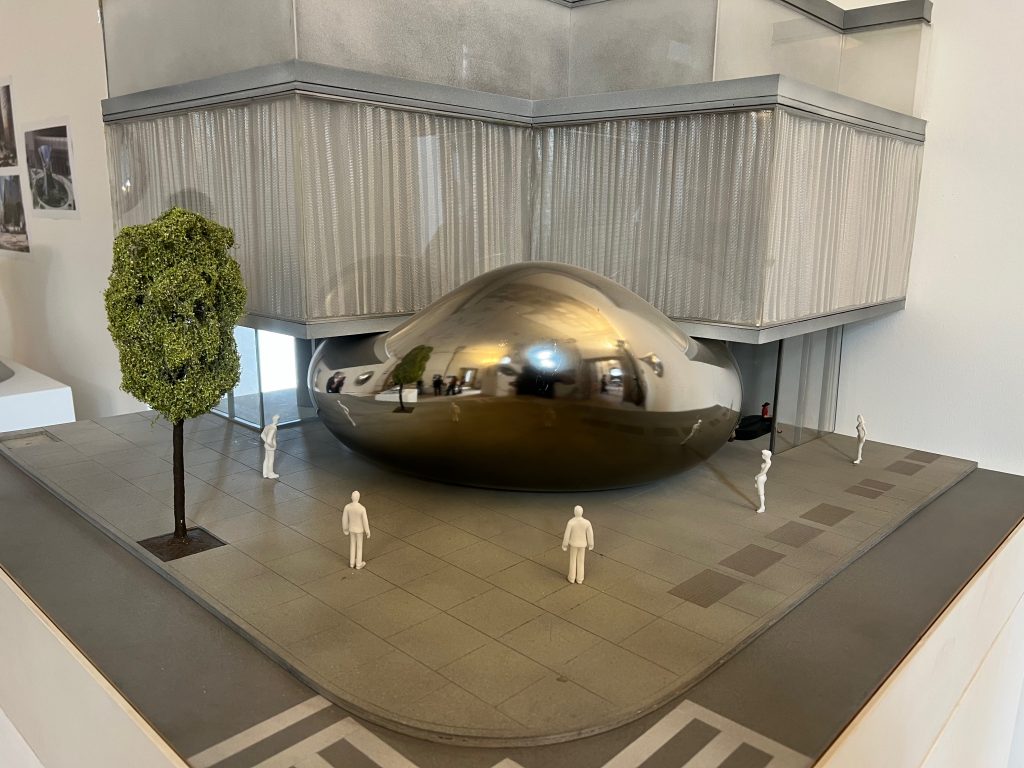
Needless to say, this kind of spectacle-level skill and overall command builds a powerful brand, one that Kapoor and his team have harnessed and commercialised exceptionally well. It’s no surprise Kapoor ranks among the world’s wealthiest and most influential artists. Kapoor’s unrealised architectural visions and fantasies, on display in particular in Venice, are also compelling in their sheer audacity. Utopian, even striking as miniatures and scale models.
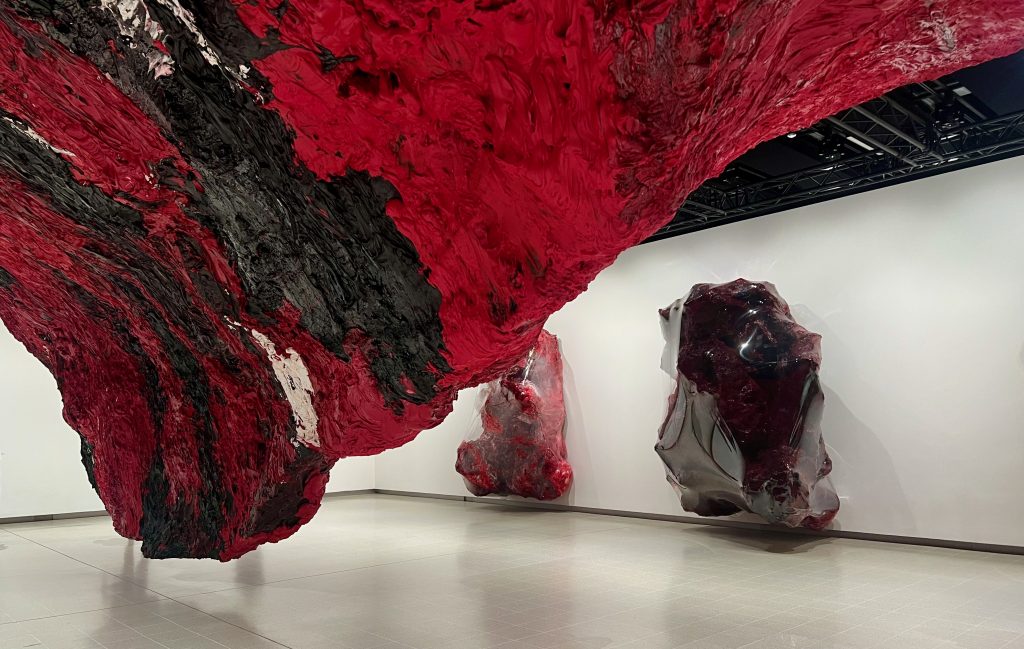
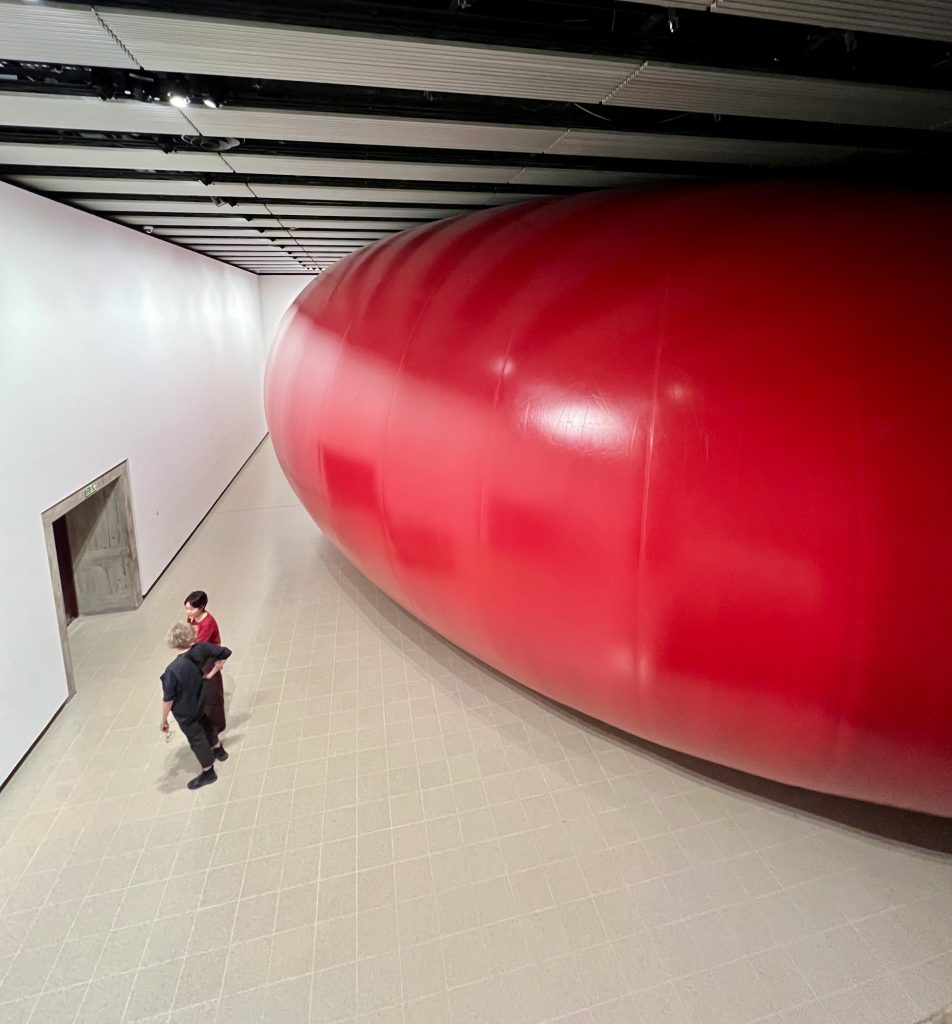
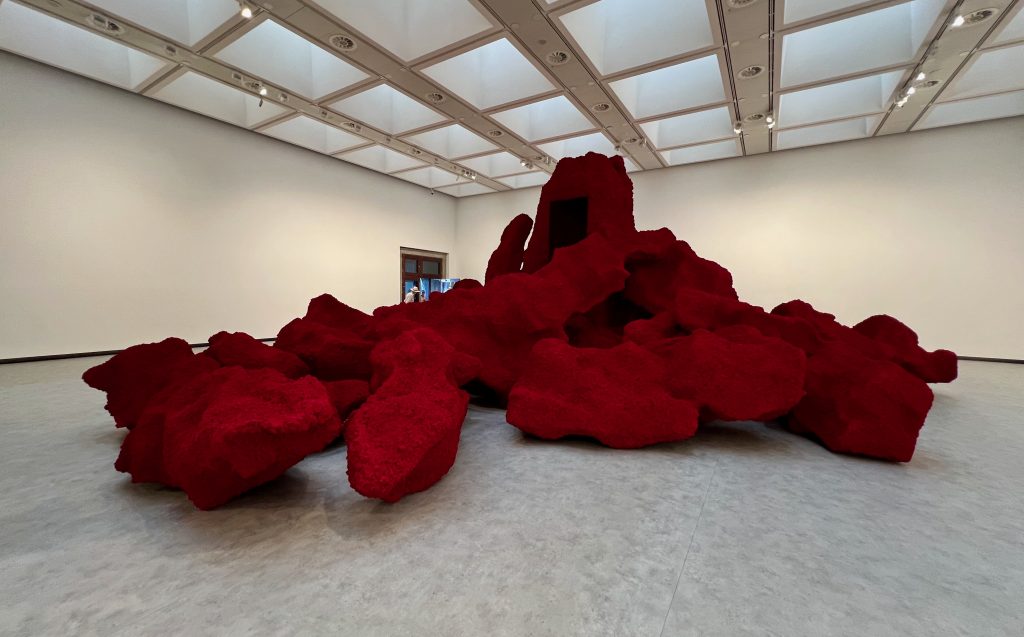
In London, Kapoor managed to be excellent and mediocre at the same time. What was excellent, once again, was his skill in achieving the impossible. Visitors were offered vast sculptural ensembles glowing in shades of red; their impossible scale, crammed into interior spaces, was genuinely engaging.
Equally immersive were the pitch-black, non-reflective forms and shapes made with Vantablack coating (Made by Surrey NanoSystems Kapoor holds exclusive artistic rights to the material) which both played tricks on the senses and offered insight into just how limited our own understanding and perception of the world and reality ultimately are.
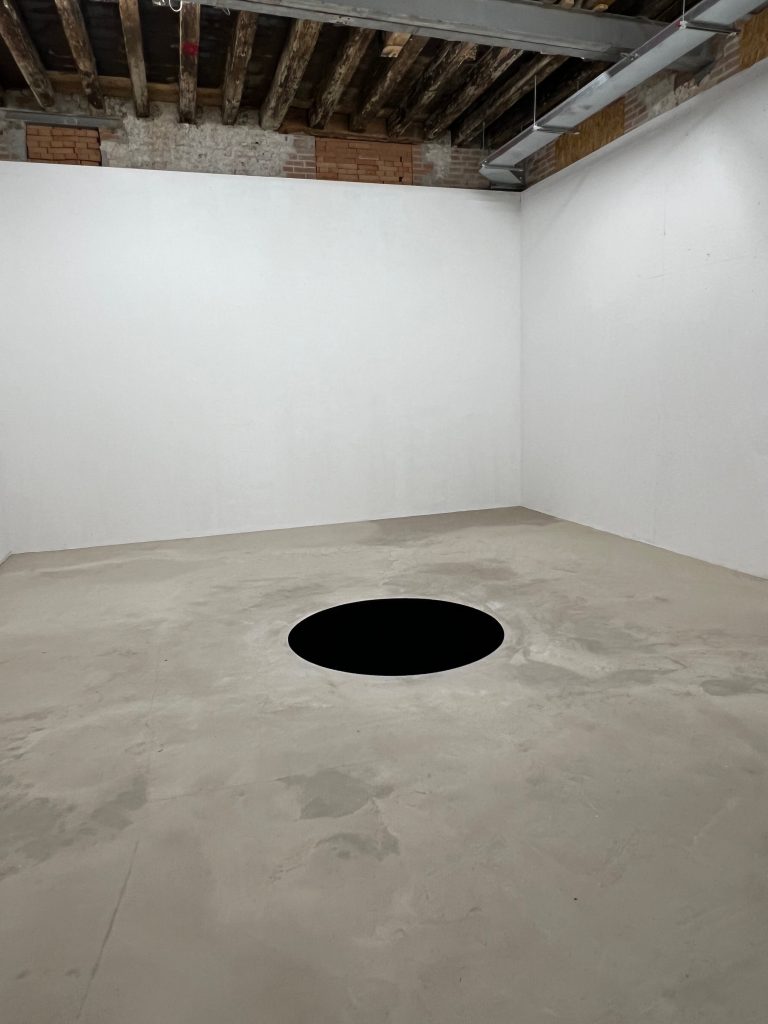
But momentary spectacle has its price. Once the magic fades and the eye adjusts, the black forms and mammoth works start to look less like lasting art and more like scientific parlour tricks.
In his captions, Kapoor described how nature inspires him in an almost reverent way. As a near-religious experience, he cited Uluru, the rock formation in central Australia. Inspired by it, he created immense red, gnarled sculptures. After a moment’s real scrutiny, though, once the initial sensory jolt wore off, they started to look faintly banal; poor copies of nature, crammed indoors to satisfy art’s snobbish demands.
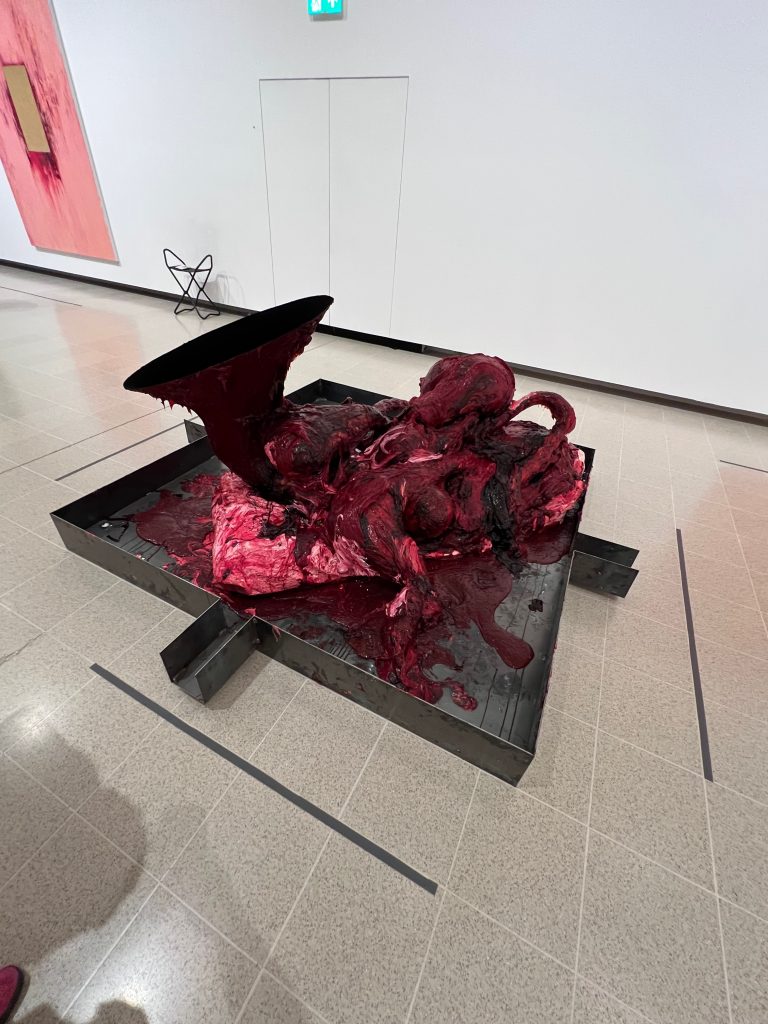
The same banal mood continued in Kapoor’s blood-red, viscera-like sculptural ensembles, which came, for good measure, with warning notices. To an urban eye, estranged from nature, the sight might have been shocking; but to someone who understands what slaughter means in a neutral sense, it was frankly awkward. Like a cut-price backdrop from a mediocre splatter film.
Most troubling of all, though, were Anish Kapoor’s paintings. In the hands of this stadium-level artist, they came across like a poor pub gig. Artistic expression shouldn’t be needlessly constrained, but as two-dimensional works, the paintings simply failed to communicate Kapoor’s ideas with sufficient quality.
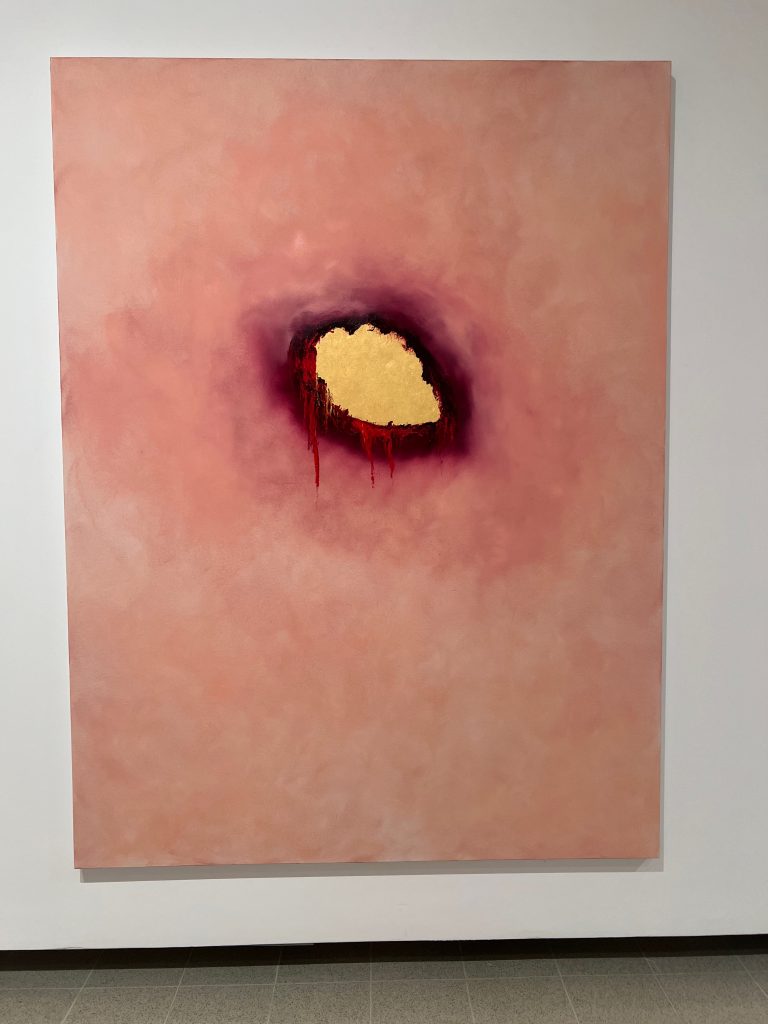
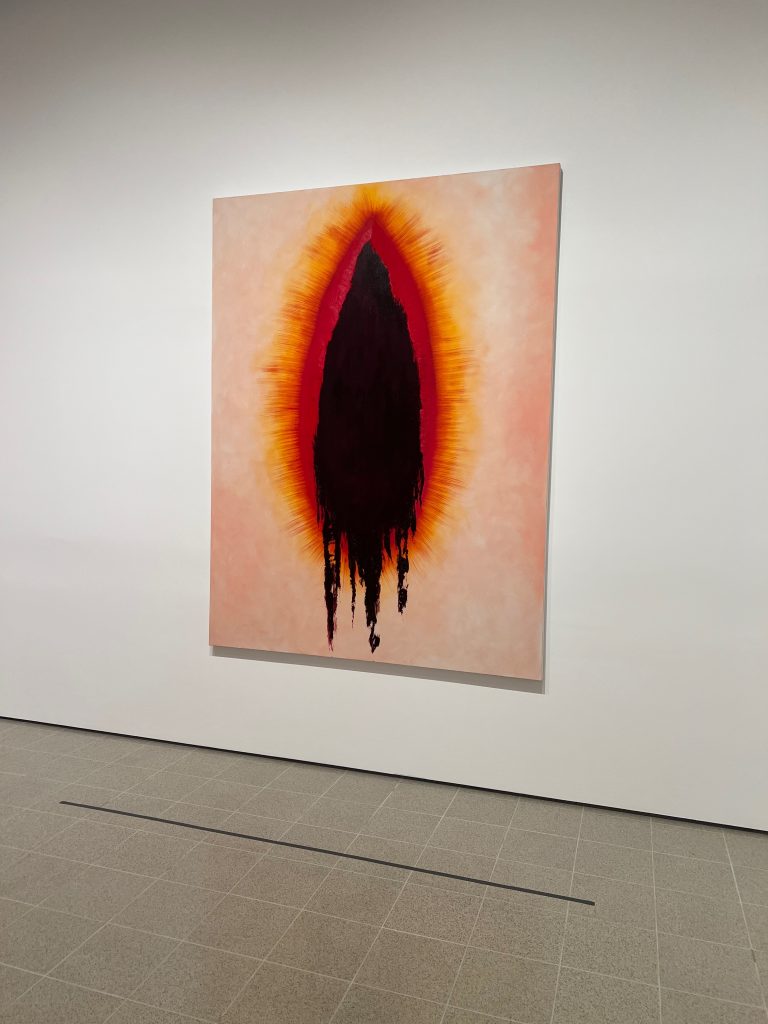
And the bigger question is: which ideas, exactly? Kapoor’s core ideas are often little more than optical tricks and rhetorical assumptions that leave criticism very little room to operate. When the crowd loves it, does criticism even matter?
At its best, Anish Kapoor’s art raises real questions about what art is and how it speaks to us. But perhaps the more interesting question now isn’t about the art at all. It’s why almost no one dares point out that the emperor doesn’t always have nothing on.
Photographs: Rami Kangas
Artworks © Anish Kapoor. All rights reserved, DACS 2026.
Installation views: Hayward Gallery, Southbank Centre, London; Palazzo Manfrin, Venice.